






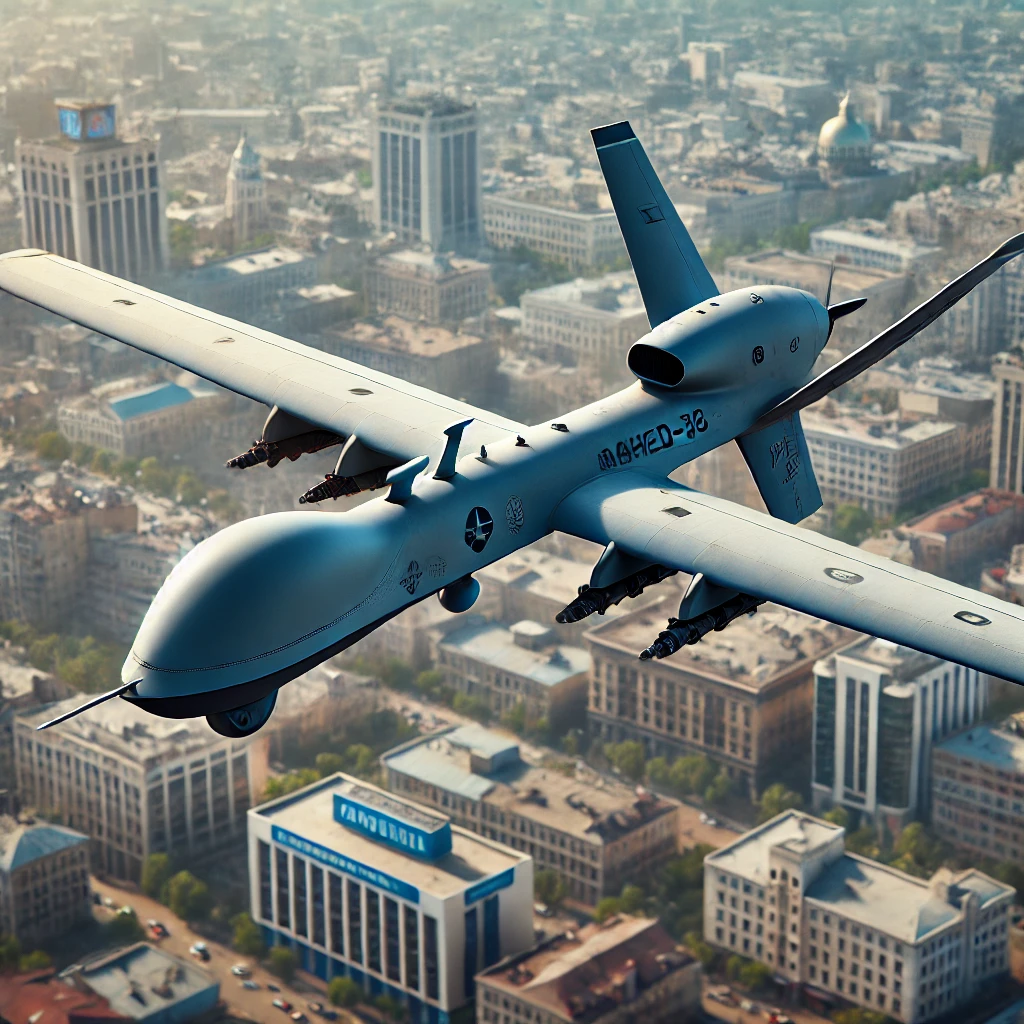
1. Materials and Construction
- Airframe: The body of the Shahed-136 is typically constructed from lightweight composites, such as fiberglass and carbon fiber, to ensure durability while maintaining a low weight for better range and payload capacity. The use of these materials also helps reduce the radar cross-section, making it harder to detect.
- Propeller and Wings: The wings and propeller are also made from lightweight materials, optimized for extended flight times and stability.
2. Engine Type and Power
- Engine: The Shahed-136 is powered by a small two-stroke piston engine, which is relatively simple and inexpensive to produce. These engines are similar to those used in light aircraft or large model airplanes.
- Power Output: The engine produces sufficient thrust to propel the drone at a modest speed, typically around 150-180 km/h (93-112 mph), depending on the mission profile.
- Fuel Efficiency: The engine is designed for fuel efficiency, enabling the drone to cover long distances.
3. Range and Endurance
- Range: The Shahed-136 has an impressive range, estimated between 1,800 to 2,500 kilometers (1,100 to 1,550 miles). This allows it to strike targets deep within enemy territory.
- Endurance: Its ability to loiter over a target area before striking gives it tactical flexibility, increasing the likelihood of a successful attack.
4. Challenges in Interception
- Small Radar Cross-Section: The small size and composite materials result in a low radar cross-section, making it difficult for radar systems to detect and track the drone effectively.
- Low Altitude: The drone often flies at low altitudes, where ground clutter complicates detection by radar.
- Swarm Tactics: Russia and other users deploy these drones in swarms, overwhelming air defenses and increasing the likelihood of some drones reaching their targets.
5. Reasons for Russian Use
- Cost-Effective: The Shahed-136 is relatively inexpensive to produce, allowing Russia to deploy them in large numbers without significant financial strain.
- Psychological Impact: The drones are used to terrorize civilian populations and disrupt infrastructure, making them a tool of psychological warfare as well as a military weapon.
- Strategic Depth: Their long range allows Russia to strike targets far from the front lines, adding a new dimension to their military operations.
6. Components and Origin
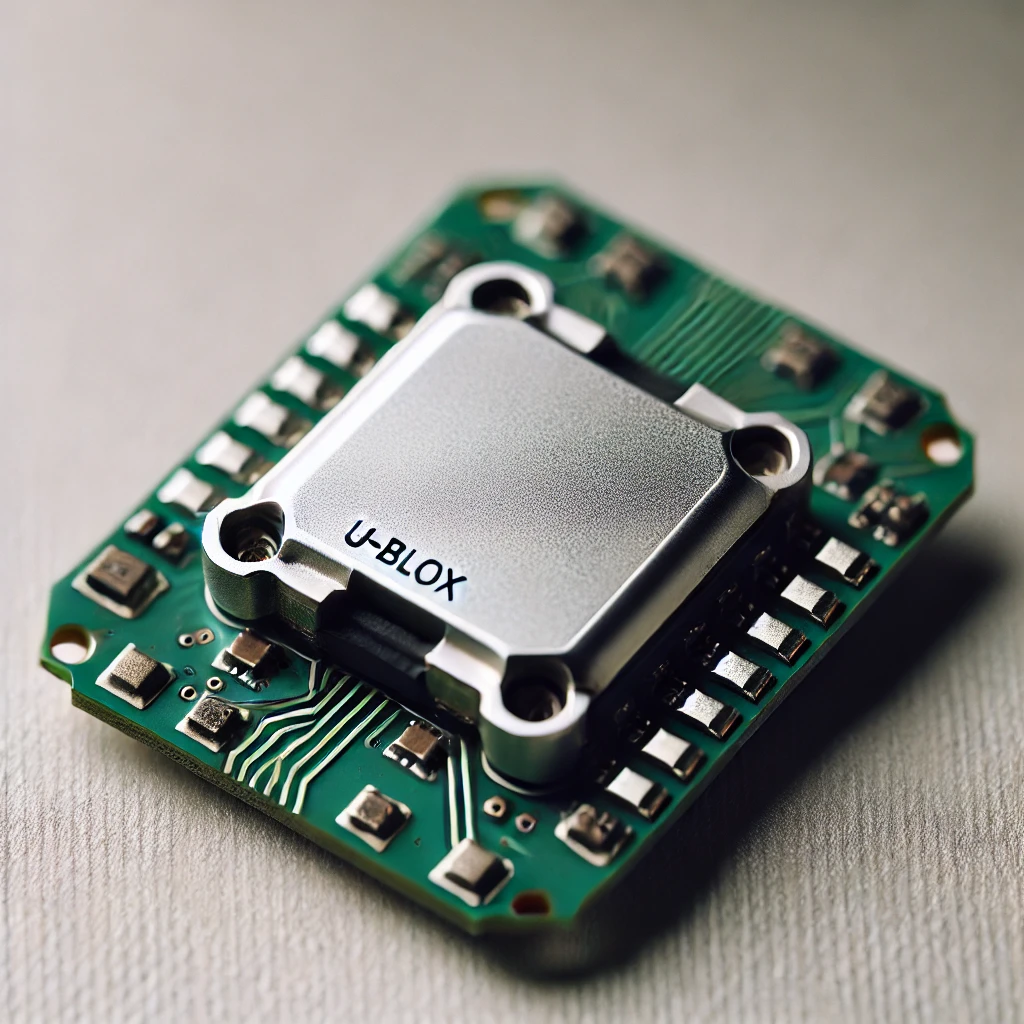
- GPS and Navigation: The drone uses commercially available GPS modules for navigation, often sourced from global suppliers through covert channels.
- Microcontrollers: These are the drone’s brain, controlling its flight and targeting systems, typically sourced from international electronics markets.
- Engine: The engine may be sourced from Chinese or other international suppliers, modified for use in the drone.
- Explosive Payload: The warhead, usually packed in the front section, can vary in size and type but is designed for maximum damage upon impact.

Conclusion
The Shahed-136 represents a blend of cost-effective engineering and strategic utility, making it a favored tool for asymmetric warfare. Its ability to evade detection, coupled with the economic efficiency of mass production, has made it a significant threat in modern conflicts, particularly for nations with advanced air defense systems. Understanding the materials, components, and tactics behind this drone is key to developing effective countermeasures.